
A Milestone Worth Getting Right
For many parents, the "firsts" are major milestones: the first step, the first word, and the first day of school. However, one of the most critical milestones for your child's long-term health is their first visit to the dentist. At RVA Children's Dentistry, we believe that a positive introduction to oral healthcare sets the stage for a lifetime of confident smiles.
If you are feeling a bit nervous about how your toddler will react to a dental chair, or if you aren't sure when that first appointment should even happen, you aren't alone. This guide is designed to walk you through exactly what to expect, how to prepare, and why choosing a pediatric specialist makes all the difference.
When Should the First Visit Happen?
The American Academy of Pediatric Dentistry (AAPD) and the American Dental Association (ADA) both recommend that a child visits the dentist by their first birthday or within six months of their first tooth appearing. While this may seem early, "First Visit by First Birthday" is the gold standard for preventative care.
By seeing your child early, our team at RVA Children's Dentistry can monitor jaw development, ensure teeth are erupting correctly, and provide parents with the tools to prevent "baby bottle tooth decay" before it starts. Early visits also help desensitize children to the sights and sounds of the dental office, reducing dental anxiety in the future.
Why Choose a Pediatric Dentist?
You might wonder why you shouldn't just take your child to your own general dentist. While many general dentists are wonderful, a pediatric practice like RVA Children's Dentistry is specifically designed with kids in mind. Think of it like the difference between a family doctor and a pediatrician.
- Child-Centered Environment: Our office is designed to be warm, inviting, and fun. From the decor to the toys in the waiting area, everything is built to lower stress.
- Specialized Training: Pediatric dentists undergo two to three years of additional residency training beyond dental school. This training focuses on child psychology, growth and development, and treating children with special healthcare needs.
- Kid-Sized Equipment: We use smaller instruments and specialized tools that fit comfortably in a child's mouth, making the exam much less intimidating.
How to Prepare Your Child (and Yourself)
Preparation is the key to a successful first visit. Your child takes cues from you, so staying calm and positive is the best thing you can do. Here are a few actionable tips for parents:
1. Start the Conversation Early
Talk about the dentist in a positive light. Use phrases like "the dentist is going to count your teeth" or "they are going to help make your smile shiny and strong." Avoid using words that might trigger fear, such as "needle," "shot," "drill," or "hurt."
2. Read Books or Watch Videos
There are many fantastic children's books about visiting the dentist featuring popular characters like Peppa Pig, Dr. Seuss, or The Berenstain Bears. Watching a short, upbeat video about a dental checkup can help your child visualize what will happen. But be sure to pick videos or books that will put your child at ease, not scare them with information that is overwhelming to them.
3. Play "Dentist" at Home
Before your appointment at RVA Children's Dentistry, have a practice run. Sit your child in a chair, have them open wide, and "count" their teeth with a toothbrush. Then, let them count your teeth!
4. Schedule Wisely
Timing is everything. Try to schedule the appointment during a time when your child is usually alert and happy. For most toddlers, morning appointments are best before the afternoon nap-time grumpiness sets in.
Step-by-Step: What Happens During the Visit
When you walk through the doors of our Glen Allen office, our goal is to make you feel like family. Here is a breakdown of the typical workflow for a first visit:
1. The Warm Welcome
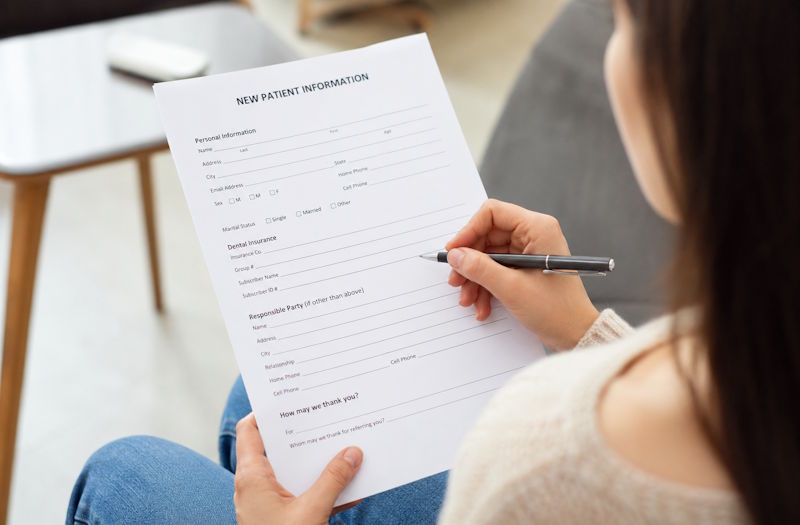
You will be greeted by our friendly front-office staff. We will help you finalize any paperwork and ensure we have your child's medical history. We encourage parents to fill out digital forms beforehand to make the check-in process seamless.
2. The "Lap-to-Lap" Exam
For very young children (infants and toddlers), we often perform a "knee-to-knee" or "lap-to-lap" exam. You will sit in a chair facing the dentist with your child on your lap. Your child will then lean their head back into the dentist's lap while you hold their hands. This allows your child to see you the entire time, providing a sense of security while giving the dentist a clear view of the mouth. If your child is ready to sit in the dental chair, we will be happy to treat them that way.
3. A Gentle Cleaning and Coating
If your child is comfortable, one of our skilled pediatric dental team members will gently clean the teeth to remove any plaque or tartar. We may also apply a fluoride varnish. This is a quick, painless treatment that helps strengthen the enamel and prevent cavities. It's painted on with a small brush and sets instantly.
4. Comprehensive Education
A large portion of the first visit is dedicated to parent education. We will discuss:
- Brushing and Flossing Techniques: How to brush a wiggly toddler's teeth effectively.
- Nutritional Counseling: Identifying hidden sugars in juices and snacks that contribute to cavities.
- Oral Habits: Discussing the impact of pacifier use, thumb sucking, or tongue thrusting on dental alignment.
- Teething: What to expect as more teeth emerge and how to manage discomfort.
5. Discussion of Findings
The dentist will examine the gums, cheeks, and palate to ensure everything is healthy. If there are any concerns regarding tooth decay or jaw alignment, we will discuss them with you immediately and create a customized treatment plan.
Common Concerns and How We Handle Them
What if my child cries?
Please do not worry! Crying is a completely normal reaction for a young child in a new environment. Our team is highly experienced in working with children who are nervous, upset, or overstimulated. We use patience, "Tell-Show-Do" techniques, and positive reinforcement to help them through it. We never want a parent to feel embarrassed by their child's reaction.
What about X-rays?
We typically do not take X-rays during the very first visit unless there is a specific concern, such as visible decay or a dental injury. If X-rays are needed, we use digital radiography, which uses much less radiation than traditional film and provides instant results.
Setting the Foundation for a Healthy Future
Living in the Richmond area, you have access to top-tier pediatric dental care. By bringing your child to RVA Children's Dentistry, you are doing more than just checking a box on a health to-do list. You are building a foundation for their overall well-being. Studies show that children who have a regular dental home are more likely to receive appropriate preventive and routine oral health care, reducing the risk of emergency visits later on.
A Note on Dental Home Maintenance
After your visit, the work continues at home! We recommend:
- Brushing twice a day: Use a tiny smear of fluoride toothpaste (about the size of a grain of rice) for children under three.
- Supervised brushing: Most children do not have the manual dexterity to brush effectively until they can tie their own shoelaces (around age 7 or 8).
- Water as the primary beverage: Encourage water between meals rather than juice or milk, which can coat the teeth in sugar.
Schedule Your Child's First Visit Today
At RVA Children's Dentistry, we are proud to serve the families of Glen Allen and the surrounding RVA areas. Our mission is to provide compassionate, high-quality dental care in an environment where kids feel safe and parents feel heard.
Is your little one ready for their first "Smile Checkup"? We can't wait to meet you! Contact our Glen Allen office today to schedule your appointment and start your child on the path to a healthy, happy smile.